 Towel Revival Secrets
Unlock the secret to perfectly fluffy and absorbent towels.
Towel Revival Secrets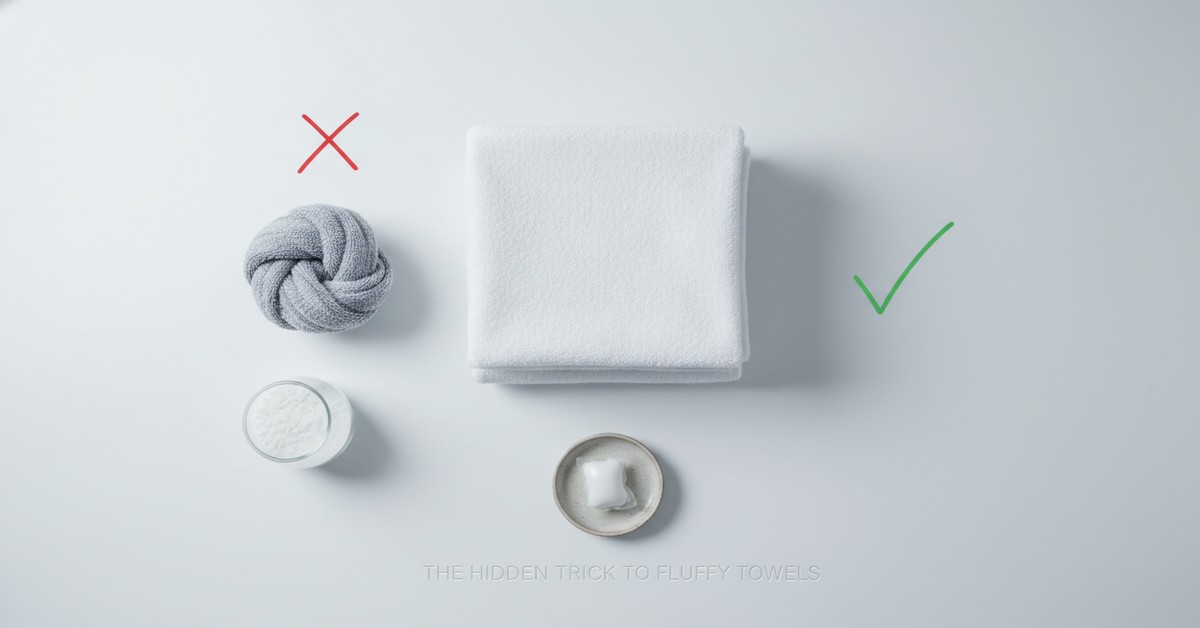
There's nothing quite like the feeling of wrapping yourself in a soft, fluffy, and highly absorbent towel after a relaxing shower. Yet, over time, many of us notice our beloved towels gradually lose their plushness and ability to dry effectively. They become stiff, scratchy, and surprisingly water-repellent. You might think it's just a sign of age, or perhaps you've even tried using more fabric softener, hoping to bring back that lost luxury. But what if we told you that some common laundry habits are actually *contributing* to the problem?
The quest for perfectly fluffy towels often leads down the wrong path. Many people assume fabric softener is the answer, or that using extra detergent will ensure a cleaner, softer towel. Counterintuitively, these practices can do more harm than good. Fabric softeners leave a waxy residue on fibers, reducing absorbency and making towels feel less soft over time. Too much detergent can also build up, making towels stiff and trapping odors.
There's nothing quite like the feeling of wrapping yourself in a soft, fluffy, and highly absorbent towel after a relaxing shower.
Towels are designed to be highly absorbent, usually made from cotton or bamboo fibers that have a natural "nap" or loop structure. This structure is what traps moisture. When detergents, mineral deposits from hard water, and fabric softener residues accumulate, they coat these fibers, matting down the nap and preventing water from being absorbed. This is why your towels might push water around instead of soaking it up, and feel less soft to the touch.
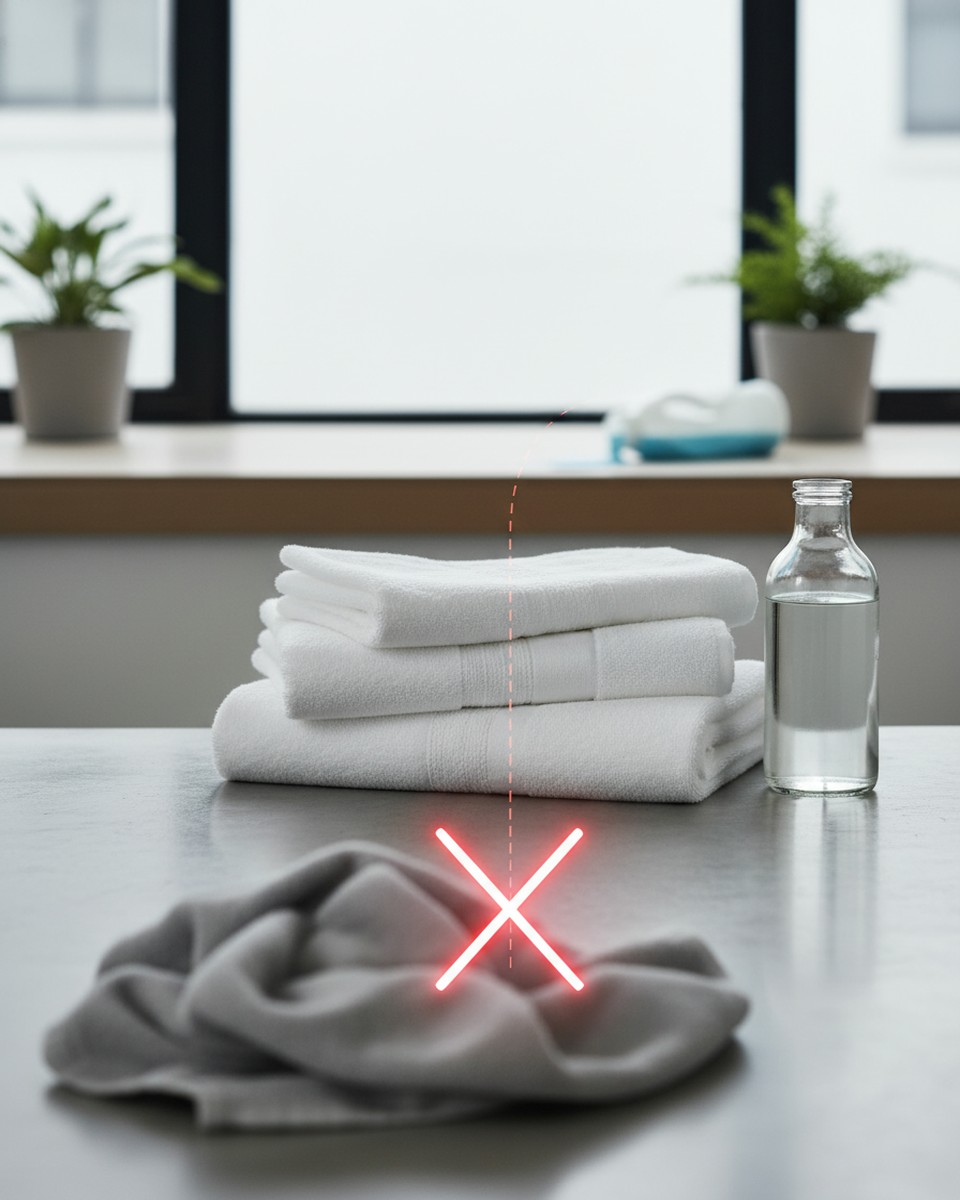
So, what's the solution? It’s not about buying new towels every few months; it's about a simple, yet highly effective adjustment to your laundry routine. This adjustment is what we refer to as The Hidden Trick That Makes Your Towels Fluffy And Absorbing Again, and it focuses on deep cleaning the fibers without harsh chemicals that cause buildup.
According to experts at Good Housekeeping, periodic deep cleaning is essential for towel longevity and performance. Here’s a tried-and-true method:
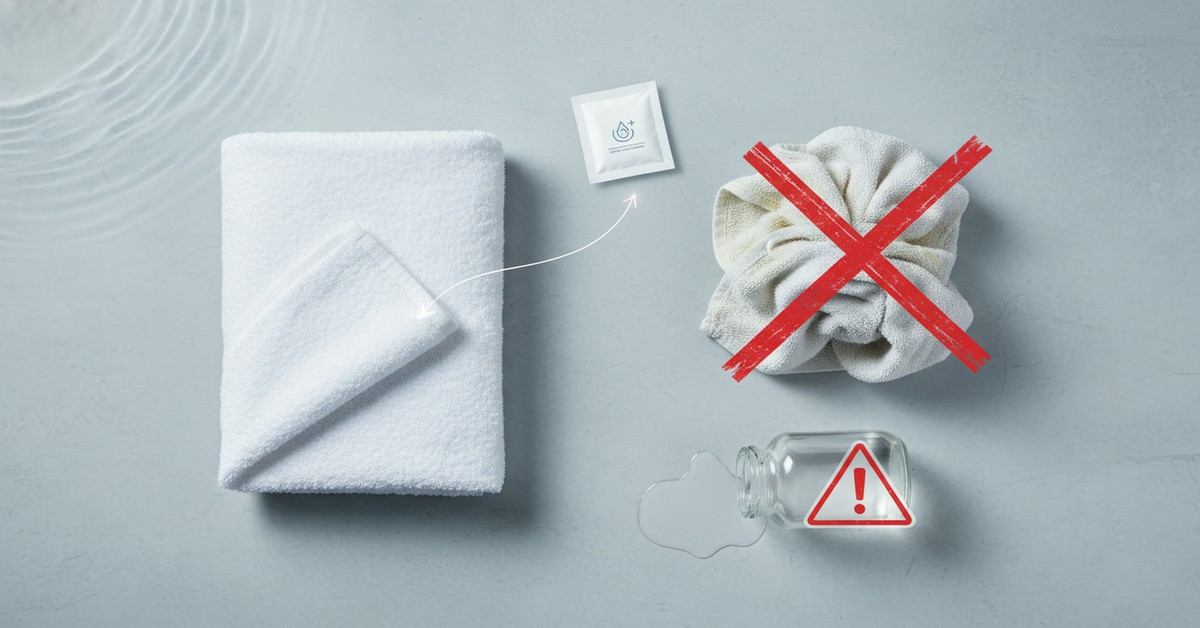
To maintain that restored fluffiness and absorbency, WikiHow suggests a few ongoing practices:
By implementing these simple changes, you'll notice a remarkable difference. Your towels will feel softer, smell fresher, and most importantly, become highly absorbent once more, providing that luxurious experience you remember. It's a small adjustment with a significant impact on your everyday comfort.